Where this came from
Last year I watched F1 live, week after week, and it was a year I cried, laughed, and found pure joy.
My wife Ellie and I were Williams fans, Carlos Sainz fans more specifically. The handsome face, the kind of warmth everyone responded to, plus the absolutely stunning driving he showed across the 2025 season. It made for a very happy stretch of weekends.
Up through 2024 I was watching Drive to Survive every season without fail. After Williams was sold and James Vowles came in as team principal, I got curious about him. Vowles first showed up on the documentary with the nickname “Data Guy”, and I can’t forget the interview where Christian Horner, Red Bull’s now-fired team principal, sneered that “only rookies talk like that.”
Vowles is a veteran of this world. He worked under Toto Wolff at Mercedes for a long stretch (twelve years). After what Williams pulled off in the 2025 season, I started as a Sainz fan and ended the year as a Vowles fan. (I didn’t know fan loyalty could shift this fast.)
In 2025 Williams went from the bottom of the midfield to a confirmed P5, and Sainz climbed onto the podium twice. Ellie and I both screamed out loud, live, when Carlos crossed the line in third. I never really cared about sports my whole life, and here I was, fully sucked in.
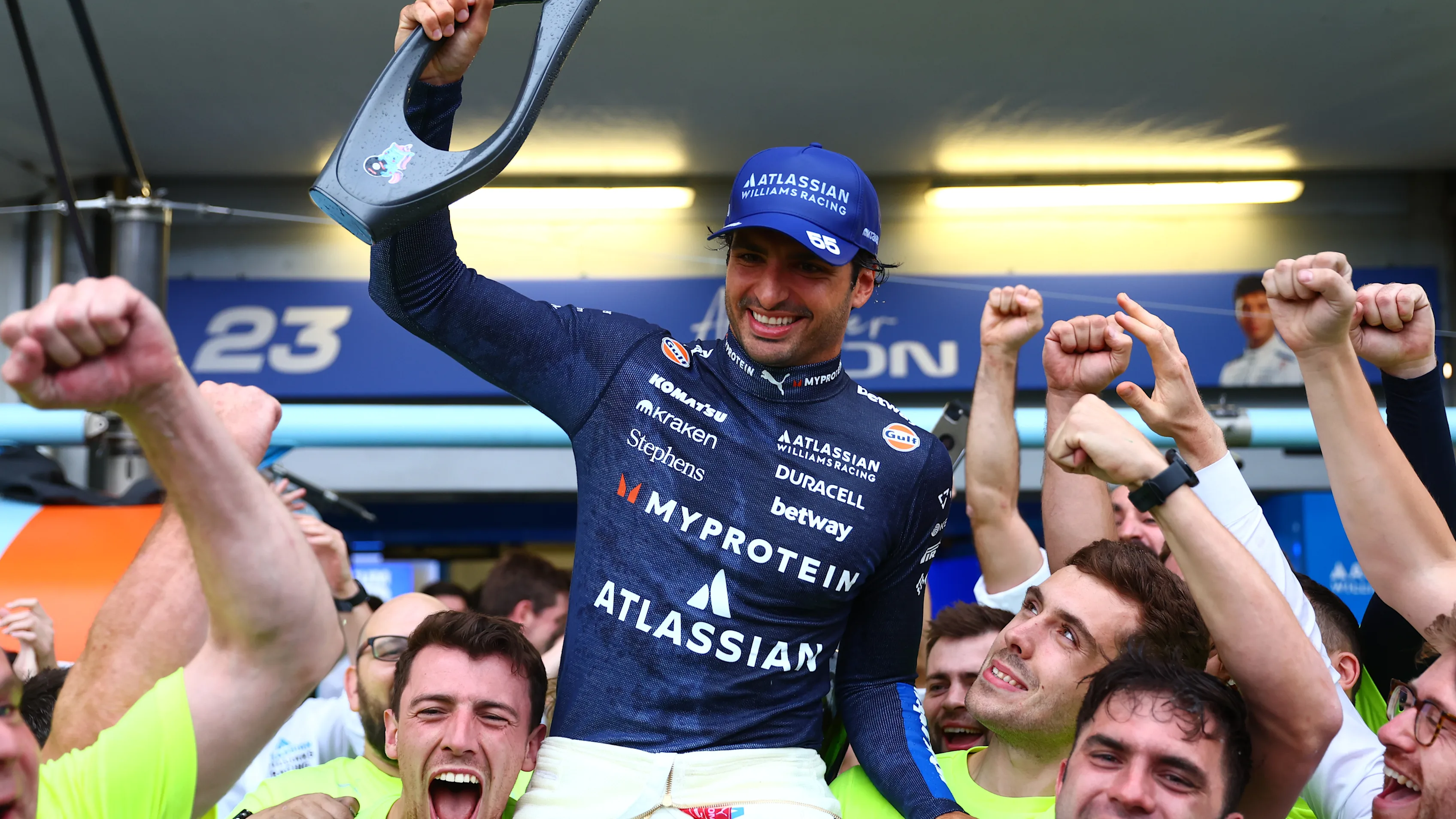
So I got curious about how Williams Racing, and James Vowles’ leadership specifically, actually worked from the inside. I’ve spent five-plus years as a startup founder and four years leading an R&D division from zero to one. Along the way I’ve made just about every mistake there is to make, and watching Vowles I kept thinking, “Yeah, I should have done it more like that.”
If you take out the racing, an F1 team’s structure is genuinely close to an IT startup’s. There’s a team principal, there’s a CTO (in Williams’ case). What did James Vowles actually do to this perennial last-place team, even in a season he openly called a write-off, to land where they did? I went looking. This is what I pulled together from the articles, posts, and videos about him.
”A car built in Excel”
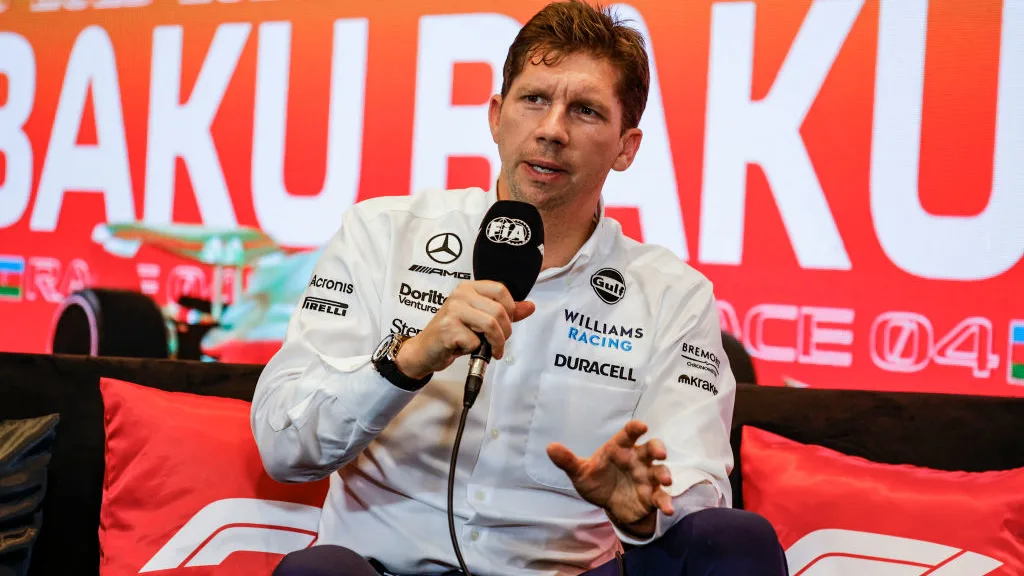
The state of Williams the year Vowles took over was genuinely shocking.
The 2024 build process at Williams, including initial work, was managed in Microsoft Excel, with a list of around 20,000 individual parts and components.
(The Race, “The shocking details behind an F1 team’s painful revolution”)
An F1 car is engineering compressed to its limit. Aerodynamics, automotive engineering, data analytics, all of it. The front wing alone has about 400 distinct parts. And tens of thousands of those parts were being tracked in Excel.
The Excel list was a joke. You couldn’t search it, you couldn’t update it.
There was no data on part cost, build time, or queue depth. Vowles compared the situation to “the Ming dynasty.” The investment that should have happened over the past twenty years simply hadn’t.
Reading this, I felt it in my bones. That blank-feeling moment when you walk into a legacy system or an undefined process. Anyone in this industry has been there at least once.
The absence of a system isn’t just inefficiency. It becomes a ceiling on growth. Next time I take on a new team, the first thing I want to do is ask, “What’s the Excel in our team?” The bottleneck that looks fine from the outside but quietly blocks scale. Finding it and turning it into a real system is job one.
[Source: The Race, “The shocking details behind an F1 team’s painful revolution”]
Choosing the painful version of change
Vowles decided to do two things at once. Move from the Excel spreadsheet to a digital system, and at the same time substantially change the car’s “technical baseline.”
Our chassis went from a few hundred pieces to a few thousand pieces. And that’s just one part of the car.
As you’d expect, doing both at the same time was a nightmare. Workers were pulling all-nighters at the factory, and Vowles recalls that even in January the car “still looked like a big bag of parts.”
But Vowles says this pain was the necessary kind.
I wanted to push the system to its absolute limit so I could see, in one go, where and how it breaks. This winter is the only winter we’ll have to do that.
(Motorsport.com, “Vowles on what Williams F1 has done wrong”)
You’re running a legacy system, you decide “this can’t continue,” and you commit to a major refactor. In the short term, dev velocity drops and bugs go up, but you have to take that pain to grow long-term. It’s the same dilemma in tech.
It’s much harder than greenfield work because something is already running. People are used to it, and changing it doesn’t auto-install new habits in their heads. It’s not unusual to see a team adopt a new system and then roll it back out of pure pushback. That said, “running” doesn’t mean “right.” It takes courage to change it, and the kind of leadership that can pull support from above and below. Burning two whole seasons for 2026? Not many people are going to make that call.
The longer you defer change, the higher the bill. When something big is on the table, I want to ask myself, “Is this the only window to do this?” And if the answer is yes, then push the system to its limits and find out where it breaks before it breaks on you. That beats finding out in production.
We’re trying so much in setup and on track. Sometimes we go backwards, but that ends up showing me which direction not to go, and pushes me forward.
(Carlos Sainz, 2025 Saudi Arabian GP)
[Source: Motorsport.com, “Vowles on what Williams F1 has done wrong”]
No Blame Culture
Changing systems alone doesn’t change a team. What Vowles centered on was culture.
If you work for me, I never want you to hold back on pushing the boundary or developing or innovating because you’re afraid of making a mistake or losing your job.
(GPBlog interview)
Vowles brought in a “No Blame Culture.” It’s the same thing he was known for at Mercedes. Don’t hide mistakes, talk about them in the open, learn from them.
A culture of fear creates two specific problems.
One, people only choose what’s safe. Instead of pushing outward, they only push to where they feel comfortable.
Two, when something goes wrong, people hide it. They don’t come out and say, “I got this wrong, let me explain why I got it wrong.”
“The number of times I’ve failed in my career is enormous. But every one of those failures, when I talked about them openly and handled them properly, made me much stronger. Success doesn’t actually make you stronger. It just sits there saying, ‘Nice job.’”
Building a no-blame culture is much harder than it sounds. I tried something similar early on, and as the team grew and got busier it got harder and harder to maintain. But reading Vowles, I felt it again. This isn’t optional. It’s non-negotiable. The team needs an environment where every failure and every mistake becomes a learning loop, and at times I let things slide and at other times I came down too hard. If the team is aligned on a shared goal and that’s how you win, then every mistake along the way is just a means of getting to the win.
What this story made me realize is that the organizational setup, the kind that makes it possible for everyone to focus on the goal and the outcome, has to come first. Paradoxically, that’s what makes a culture like this stick.
- Share your own failures first. The leader has to talk about their own mistakes openly before the team will.
- Focus on “how do we prevent this next time” instead of “why did this happen.” In retros, point at the system, not the person.
- Care about the culture more, not less, when things get busy. Pressure is when culture cracks.
[Source: GPBlog, “Vowles takes Williams by the hand”]
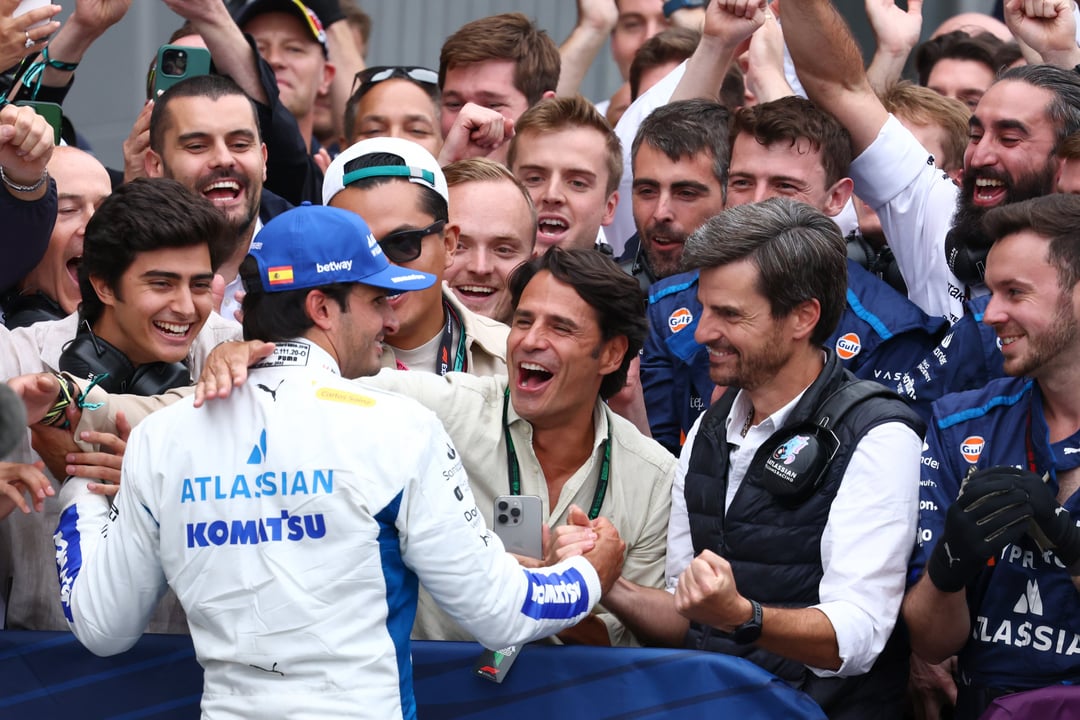
1-on-1s, in the end this is the answer
The part of Vowles’ leadership that resonated with me most is his emphasis on communication.
I send an email to the entire factory three times a week, and we have a team meeting after every race. Walking the factory floor in person matters too.
(Monocle, “10 Leadership Lessons from James Vowles”)
He sends three all-hands emails a week, runs a team meeting after every race, and walks every corner of the factory. It sounds small, but if you’ve actually tried it, it’s brutal. Especially as the team grows.
Looking back, this is the part I regret most. Early on I did 1-on-1s often and feedback flowed both ways, but as the team scaled it got patchier. Vowles convinced me of what I already half-knew: the best thing you can do is keep showing up for 1-on-1s.
“Care about people genuinely. I feel real gratitude that people give me their time. They could be home with family in that hour, and instead they’re with me.”
This one stuck. F1 team or IT team, in the end, what’s happening is people are spending their time with you. Don’t forget to be grateful for that.
Bottom-up feedback is hard to give. It feels harder in Korean org culture specifically. Leaders ask for it, and then look surprised when they actually get it. I think we need to build more systematic ways to make this feedback happen. It’s non-negotiable, not optional.
Action items:
- A 1-on-1 schedule that’s actually fixed. If you push it because you’re busy, you’ll never do it.
- Prepare feedback in advance. At minimum one improvement point per person, prepped before you walk in.
- Diversify communication channels. Weekly all-hands email, informal chats, formal meetings, all of them.
The long game
The part of Vowles’ leadership that left the strongest impression on me is the long-term view.
I don’t believe in any short-termism. I won’t move short-term because it doesn’t fit Williams and its future.
(Monocle, “10 Leadership Lessons from James Vowles”)
He said from the start that 2024 and 2025 would be “sacrificed.” It was the investment needed to rebuild the team for the new technical regulations in 2026. He picked future competitiveness over present rank.
I don’t want seventh, eighth, ninth. I want 2026 to be good. Meanwhile, others up and down the pit lane are focused on 2024 and 2025.
(Motorsport.com, “Why Vowles believes Williams culture will survive short-term pain”)
This decision had the full backing of Dorilton Capital, the team’s owner. “Quick fixes look impressive on the surface, but they collapse fast.”
Holding a long-term view is genuinely hard. Pressure for present-quarter results, stakeholder expectations, the team’s own motivation. Every force in the system pushes you toward the short-term call. But watching Vowles, I came back to this: holding a long-term view requires a clear goal, and shared understanding of that goal.
This team is on the way up, and that flow can never be stopped.
(Carlos Sainz, after the 2025 season finale)
When I had full control at the org level, there were times I didn’t articulate the long-term view of the company well enough, and as a middle manager there were times I deferred the responsibility upward. There were definitely places I could have done more. When the long roadmap got broken or interfered with from the outside, I wish I’d been more flexible about resetting and re-controlling it.
[Source: Monocle, “10 Leadership Lessons from James Vowles” / Motorsport.com, “Why Vowles believes Williams culture will survive short-term pain”]
Action items:
- Define “what’s our goal.” A clear long-term goal you won’t get knocked off by short-term results.
- Share that goal with the whole team. Everyone has to know why we’re absorbing this pain right now.
- Sell the long-term vision to stakeholders too. Without support from above, no long-term strategy survives.
How he convinced Carlos Sainz
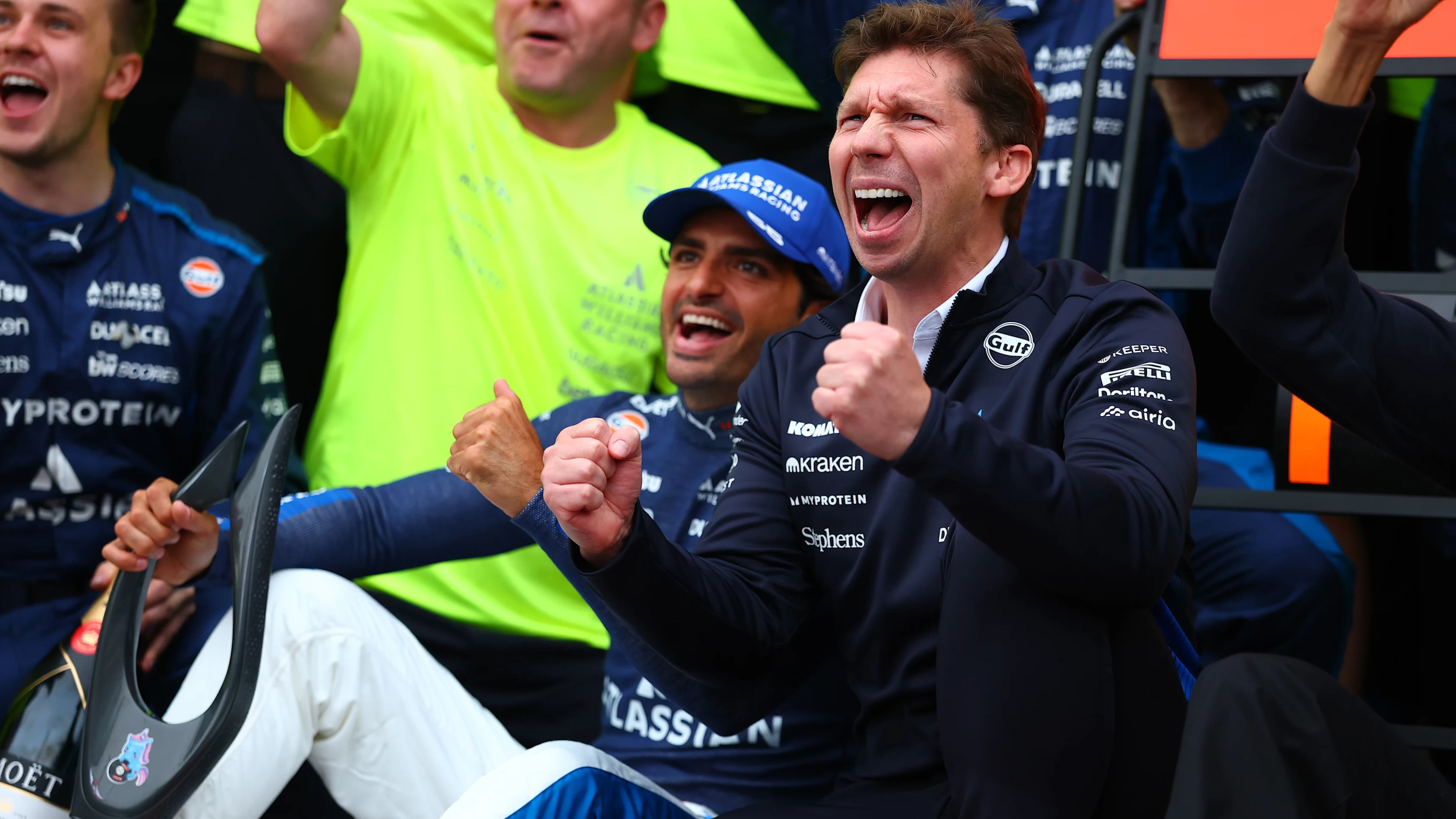
The clearest case study of Vowles’ leadership is the Sainz signing.
Vowles spent six months in continuous communication with Carlos Sainz, openly sharing even the bad parts of Williams. He laid out the investment plan and future vision transparently, and Sainz confirmed it wasn’t a fiction.
(Pit Debrief, “James Vowles on Williams F1 progress”)
That’s six months of consistent communication, honestly sharing the bad, laying out the investment plan and future vision openly. None of that is easy. (Actually, all of it is extremely hard.)
Sainz didn’t pick Williams just because he needed a seat. He understood what it would take to turn Williams into a championship team, and he wanted to be at the center of that transformation. Vowles’ vision landed.
This is the project of my life. Helping put Williams back where they can win, that’s why I’m here.
(Carlos Sainz, after the 2025 Baku Grand Prix (the Azerbaijan race), Sky Sports interview)
This kind of transparency in hiring matters more than people give it credit for. There’s always a temptation to show only the good parts, but anyone you hired by hiding the bad parts leaves quickly.
I’ve done a lot of hiring, and a lot of faces come to mind. There were times I sold only the good parts, and times I wasn’t honest enough. As the conclusion above suggests, it didn’t end well. State clearly what you want, and be honest about the current state and the goal. That’s the attitude.
[Source: Pit Debrief, “James Vowles on Williams F1 progress”]
Action items:
- Share the bad parts honestly when hiring. Don’t hide current difficulties or unsolved problems.
- Lay out the vision clearly. “It’s like this now, but our goal is this,” concrete and specific.
- Spend time building the relationship. The Vowles kind of patience: six months of steady communication.
Hire people smarter than you
Of the ten leadership lessons Vowles shared, this is the one that hit me hardest.
I’m not the smartest person at Williams. I don’t need to be. My job is to gather world-class talent, give them authority, and know when to step aside.
That’s easy to say and hard to live. Especially if the leader came up as a developer. You hire someone technically excellent, and at some point the thought arrives: “I could probably just do this myself.” (It’s instinct.) Holding that back and delegating is the leader’s job.
Direction is often more important than the answers you give. Indecision is worse than a wrong decision. The answer might not be perfect, but we’ll move forward together.
This one I feel painfully. You have to step back fast and check whether you can actually make this call, and if you can, decide quickly. If not, gather the right people fast and make them decide. Indecision is the biggest enemy.
Action items:
- Switch the question from “can I do this?” to “who can do this best?”
- Don’t defer decisions. Decide at 70% information and adjust the rest in flight.
- After delegating, don’t interfere. Review the result, but don’t micromanage the process.
How an engineering team and an F1 team rhyme
While writing this, it struck me that running an F1 team and running a dev team (an IT startup) overlap more than you’d expect.
Coordinating a complex system. An F1 car is tens of thousands of parts meshing together precisely. A dev system is the same.
Data-driven decisions. F1 reads car data, tire wear, weather in real time and builds strategy from it. A dev team (IT startup) makes decisions based on metrics, logs, and user behavior data.
Fast failure and learning. F1 takes feedback every race and improves before the next one. A dev team (IT startup) runs retros and improves every sprint. The “no-blame culture” Vowles talks about is exactly the same concept as Psychological Safety in agile.
What Vowles said at Cambridge Judge Business School (Cambridge’s MBA program) lands here.
“The exposure our business gets is obviously very high, and I have to explain results that get a lot of attention every week, but the problems other people in this room face and the problems we face are the same.”
(Cambridge Judge Business School)
F1 or IT startup, the problem of leading an org is essentially the same.
[Source: Cambridge Judge Business School, “Leadership in Formula One”]
Closing
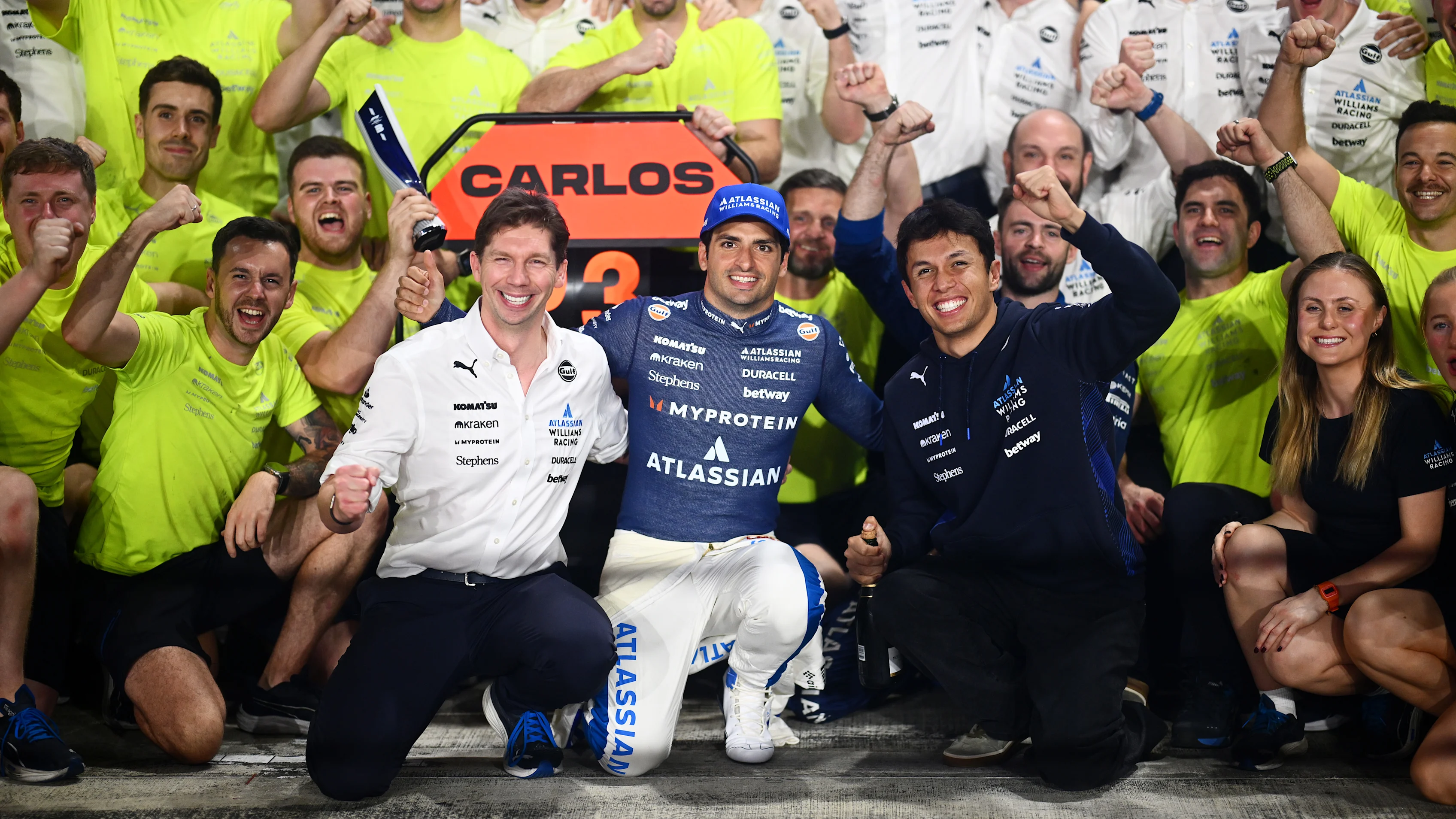
The thing that stuck with me most about Vowles’ leadership is authenticity.
You have to believe in what you’re doing with your whole heart. Ultimately, the thing that pushes you forward every day in hard moments is that belief. And that’s when your real character shows. If you’re just wearing a mask, eventually it cracks.
Even in the Sainz signing, he didn’t show only the good side of Williams. He shared the bad parts openly. That honesty is what built the trust.
I know from experience exactly when I’ve been honest and authentic and when I haven’t. And how each ended. If there’s one thing I learned as a startup founder and CTO, it’s that what matters in the end is whether you have your own answer to “what kind of team am I building?” And whether you’re moving consistently toward that answer.
Putting James Vowles’ story in order, here’s what I want to apply going forward.
| What I learned | Action item |
|---|---|
| No system, no growth | Find “the Excel in our team” and systemize |
| Painful change is sometimes needed | Ask: “Is this the only window?” |
| No-blame culture | Leader shares failures first |
| 1-on-1s are the answer | Lock the schedule, prep feedback in advance |
| Long-term view | Define and share a clear goal |
| Honest hiring | Bad parts honest, vision clear |
| The craft of delegation | Ask “who can do this best?” |
Honestly, I can’t put into words how happy I am, how good this feels. This is even better than my first podium. We’ve fought hard all year, and today, when we finally had the speed (and we’ve had it all year), when everything came together, it proved that we can do amazing things together. Today we executed the race perfectly. Not a single mistake, and we beat a lot of cars we didn’t expect to beat yesterday. I’m extremely proud of everyone at Williams for pushing through such a hard year. We’ve proven to everyone that we’ve made huge progress versus last year. We’re on the rise, on the right path. Unfortunately for me there’s been a lot of bad luck, a lot of incidents, and it’s been very hard to turn all that pace into results. But today everything came together. The race execution was perfect, the team calls were perfect, the tire management was perfect, the start, every defense and management move was perfect. So we got an unexpected podium. I couldn’t be prouder. What other people do isn’t my business. What I care about is that the first time a podium opportunity came with Williams, we took it and scored. That’s all there is.”
(Carlos Sainz Jr., after his first P3 podium at the Baku GP)
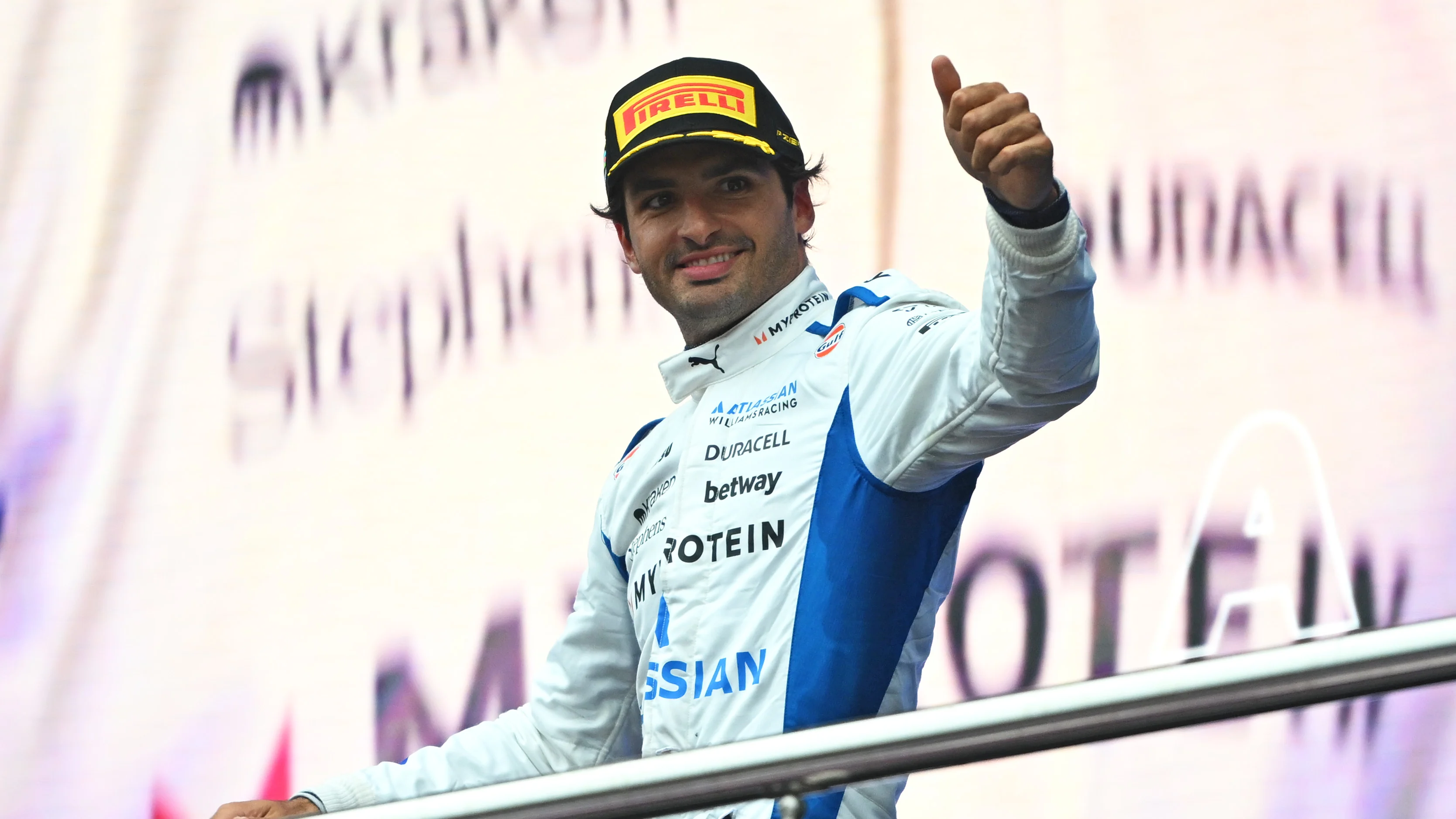
Speaking with results — I think that’s what real leadership comes down to.
References:
- The Race - The shocking details behind an F1 team’s painful revolution
- Motorsport.com - Vowles on what Williams F1 has done wrong
- Motorsport.com - Why Vowles believes Williams culture will survive short-term pain
- GPBlog - Vowles takes Williams by the hand
- Monocle - 10 Leadership Lessons from James Vowles
- Pit Debrief - James Vowles on Williams F1 progress
- Cambridge Judge Business School - Leadership in Formula One

댓글
댓글을 불러오는 중...
댓글 남기기
Legacy comments (Giscus)